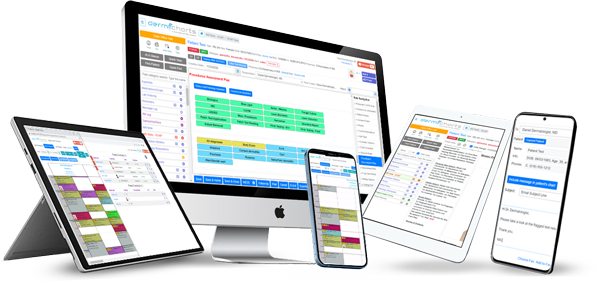
The Administrative Burden in Healthcare
Healthcare providers spend countless hours on administrative tasks that take time away from patient care. EHR and practice management integration addresses this challenge.
Common Administrative Pain Points
- Manual data entry across multiple systems
- Phone tag for appointment scheduling
- Paper-based referral processes
- Disconnected billing workflows
How Integration Solves These Problems
Automated Data Flow
Information entered once flows throughout the system:
- Patient demographics auto-populate forms
- Clinical data drives billing codes
- Lab results integrate automatically
- Referral letters generate from visit notes
Scheduling Optimization
Modern systems offer:
- Online patient self-scheduling
- Automated appointment reminders
- Wait list management
- Multi-location coordination
Revenue Cycle Efficiency
Integrated billing features include:
- Real-time eligibility verification
- Charge capture at point of care
- Automated claim submission
- Denial tracking and management
Measurable Benefits
Time Savings
- 30% reduction in documentation time
- 50% fewer phone calls for scheduling
- 40% faster claim processing
Financial Impact
- Reduced claim denials
- Faster payment collection
- Lower overhead costs
- Improved cash flow
Implementation Best Practices
- Assess Current Workflows: Understand where inefficiencies exist
- Prioritize Integration Points: Focus on highest-impact areas first
- Train Staff Thoroughly: Ensure everyone knows the new workflows
- Monitor and Adjust: Use analytics to identify improvement opportunities