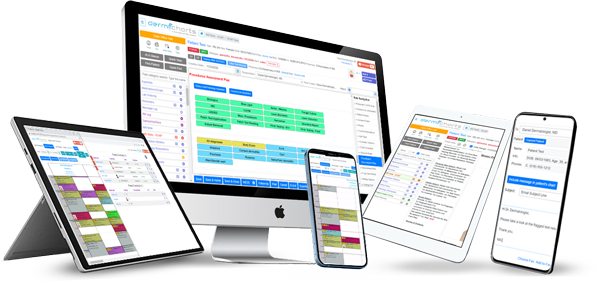
What Are Pediatric Electronic Health Record Systems?
Pediatric EHR systems capture and store comprehensive patient information, including:
- Medical history
- Growth charts
- Immunization records
- Allergies and medications
- Lab results
With all health data centralized, providers gain a holistic view of a child’s health, leading to better-informed decisions and timely interventions.
Decision Support Tools for Pediatric Care
Pediatric EHRs include clinical decision support tools, such as:
- Alerts for potential drug interactions and dosage calculations based on weight
- Reminders for preventive care and vaccinations
- Age-specific screening recommendations
These features empower healthcare providers with real-time clinical insights, ensuring compliance with pediatric best practices.
Enhancing Pediatric Care With EHR Solutions
Implementing a comprehensive Electronic Health Record (EHR) system is vital for pediatric practices to enhance efficiency, streamline workflows, and deliver exceptional care to their young patients.
Customization for Pediatric Needs
One of the primary benefits of customized Pediatric Software is the ability to track growth. Pediatricians rely on precise measurements and growth charts to monitor a child’s physical progress.
Another essential aspect of pediatric care is vaccination management. Childhood immunizations are critical for preventing diseases and ensuring public health.
Improved Accuracy and Reduced Errors
Pediatric EHR systems can facilitate comprehensive care coordination. Children often receive care from multiple providers, including primary care physicians, specialists, and therapists.
Streamlining Diagnosis and Treatment Plans
- Faster Test Results: Modern EHR for pediatric systems integrates with laboratory and imaging systems
- AI-Assisted Diagnosis: AI-powered analytics assist in detecting early signs of pediatric conditions
Boosting Efficiency in Pediatric Practices
MD Charts’ Pediatric EHR system is specifically designed to boost efficiency and optimize workflows in pediatric practices.
Optimizing Workflows and Reducing Administrative Burden
MD Charts provides the necessary tools to streamline documentation and support pediatric-focused workflows. By reducing manual processes and automating routine tasks, MD Charts enables pediatric practices to provide efficient and personalized care.
Enhancing Communication Among Healthcare Providers
Pediatric EHR systems enable efficient care coordination among various healthcare providers involved in a child’s treatment. With EHR systems, healthcare professionals can seamlessly share information, ensuring that everyone is on the same page.
Improving Patient and Parent Engagement
Customized EHR solutions can improve patient engagement and family-centered care. Parents or guardians play a crucial role in a child’s healthcare journey.
Parental Access to Medical Records
Pediatric EHRs can provide portals or mobile applications that allow parents to access their child’s medical information, view test results, and communicate with healthcare providers.
Child-Friendly Interface
Pediatric EHR systems often include features tailored specifically for children with child-friendly graphics, simplified language, and interactive elements.
Telemedicine and Remote Monitoring
The integration of telehealth within pediatric EHRs enables virtual consultations, allowing healthcare providers to offer real-time medical advice remotely. This is particularly beneficial for:
- Routine follow-ups
- Minor illnesses
- Chronic disease management