Understanding the Importance of EHR Security
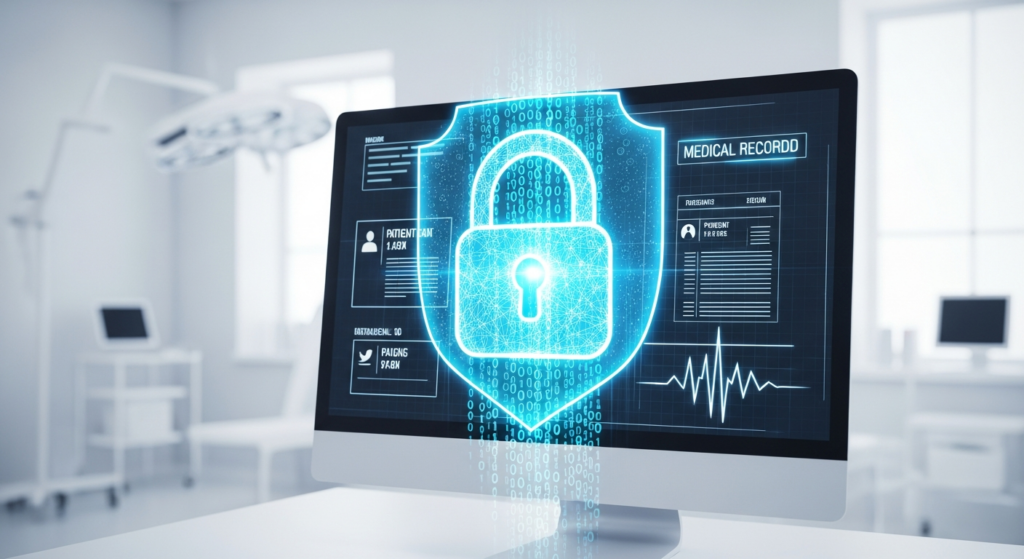
Data security in EHR systems is crucial. These systems store sensitive patient information, including medical histories, diagnoses, treatment plans, and personal identification details. Any breach of this data can have severe consequences, including identity theft and violation of patient privacy.
In healthcare, time and efficiency matter. This is why Electronic Health Records (EHRs) have become the backbone of efficient patient care and practice management. Choosing the right EHR system isn’t just about features and functionality. It’s also about the support system that comes with it.
Key Components of EHR Security
Data Encryption and Protection
End-to-end encryption locks every patient record during transfer and in storage, preserving healthcare data security without delaying treatment. Simple practices like regular password updates and proper password management can go a long way in safeguarding patient information.
Access Controls and Authentication
Highly customizable access controls decide who sees what, reinforcing data security and boosting efficiency. Smart rules mirror workflows, eliminating clicks and supporting electronic health record security every single day.
- Role-based permissions match clinical duties, ensuring reception, nursing, and billing teams view only necessary charts
- Multi-factor authentication combines passwords with biometrics or one-time codes, adding a critical barrier against phishing
- Password best practices: Enforce complex passphrases, automatic lockouts, and 90-day rotations
Compliance with Regulatory Standards
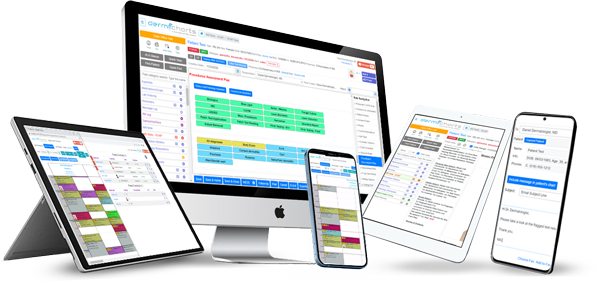
Regulatory alignment proves a commitment to patient trust. MD Charts simplifies compliance by weaving standards into workflows, letting practices demonstrate the importance of data security in healthcare without drowning in paperwork.
- Automated audit trails, encryption, and breach-notification workflows satisfy HIPAA and HITECH mandates
- Continuous benchmarking against the NIST Cybersecurity Framework and ISO 27001 keeps controls current
Threat Detection and Cybersecurity Measures
Modern attackers move fast; defenses must move faster. Smart analytics, real-time monitoring, and rigorous audits combine to spot ransomware, phishing, or insider misuse before care quality or revenue is disrupted.
The Role of EHR Support in Security and Performance
When it comes to selecting an EHR system for your practice, it’s not only about the software; it’s also about the partnership and peace of mind that comes with knowing help is a call or click away.
Reliable Technical Support for System Uptime
At MD Charts, we take pride in offering unmatched personalized service and EHR support. Our dedicated support team is available from 7 a.m. to 10 p.m. ET. We are committed to ensuring that you have access to the assistance you need when you need it.
Disaster Recovery and Data Backup Solutions
Even the strongest defenses need a fallback. Automated backups and tested recovery plans guarantee uninterrupted access to records, maintaining patient trust and revenue when events strike or disrupt clinical operations.
- Automated backups: Nightly incremental backups with immutable snapshots secure data across geo-redundant sites
- Business continuity: Integrated continuity plans map clinical workflows to backup resources
- Cloud vs. on-prem: Hybrid strategies deliver balanced Healthcare Data Security, cost, and latency
Future Trends in EHR Security and Support
Security never stands still. Emerging technologies and regulations will redefine health data security, and being prepared means embedding agile tools that evolve as confidently as your clinicians and patients do.
- Blockchain: Blockchain-anchored audit logs promise immutable health records
- Regulatory horizon: Expect stricter breach-reporting timelines and expanded patient-access rights